Rideshare Apps: Pros and Cons for People With Disabilities
For individuals with disabilities, rideshare services such as Uber and Lyft can be both a valuable resource and a source of f...
Read more Special Needs Answers
 Takeaways
Italy is known for its extraordinary artistic heritage. Yet not all its visitors have been able to fully appreciate the artistic treasures on offer. Visitors with vision impairments or other disabilities have often been unable to experience its art, artifacts, and architecture in the same way as others. However, in recent years, museums and cultural sites have aimed to change that by creating ways for people to experience art with senses other than sight.
Museo Omero in the Adriatic coastal city of Ancona, founded by blind art lovers Aldo and Daniela Grassini, is a publicly funded tactile museum. Visitors can touch life-size replicas of famous sculptures, including classical statues, the head of Michelangelo’s David, and contemporary artworks. The idea is to explore art through touch and texture. This approach shifts the experience from purely visual to body-based and sensory, offering a deeper emotional connection for blind visitors.
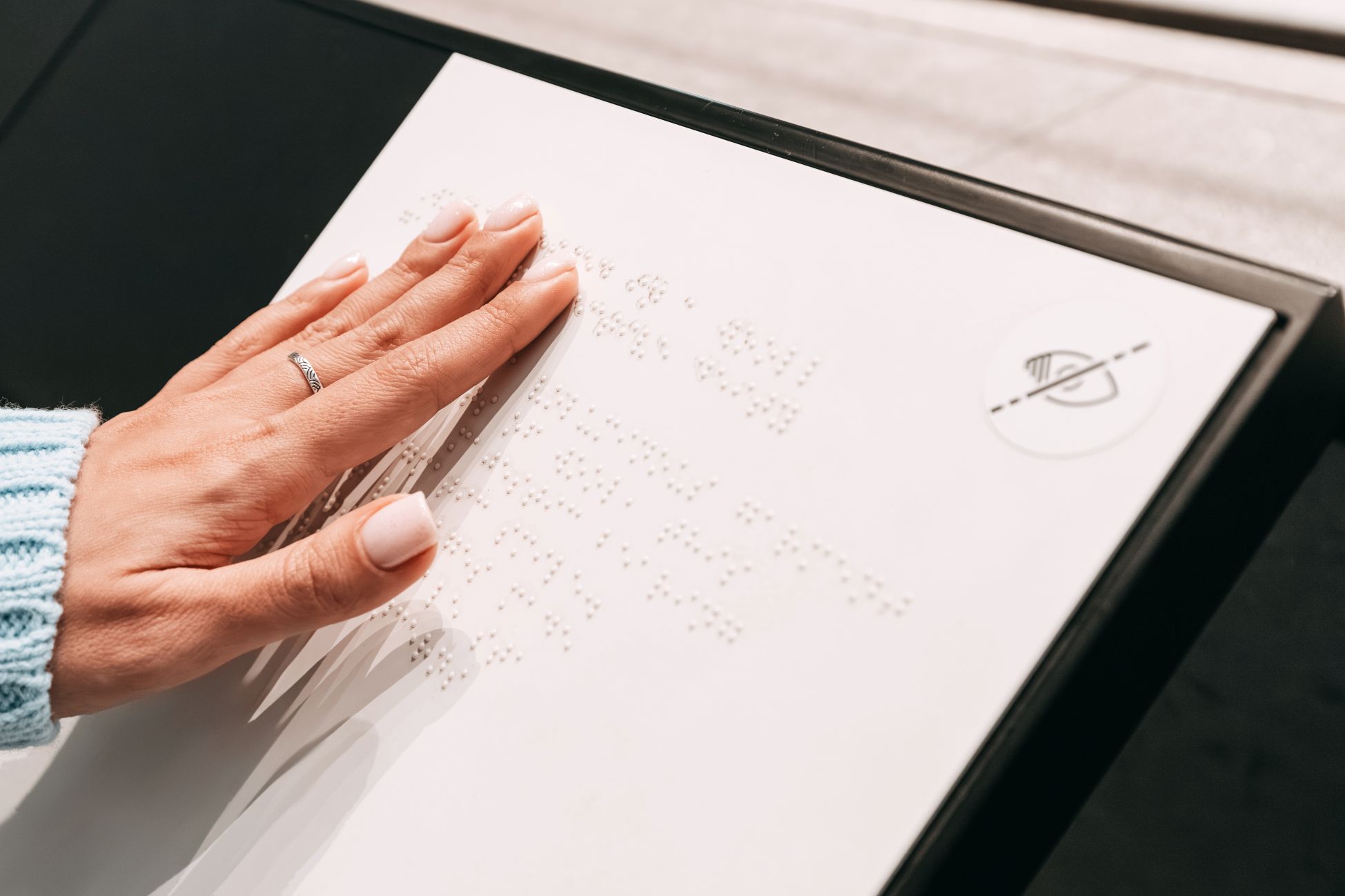
At the ancient site of Pompeii, accessibility enhancements include braille signage, QR-coded audio guides, tactile models, and bas-relief replicas of excavated artifacts. These help blind and low-vision visitors access information about the site’s architecture and history through texture and sound. The site also provides guided tours led by Italian Sign Language speakers, fully accessible tours for wheelchair user, and an easy-to-read map and guides for people with cognitive impairments.
Institutions like the Uffizi Gallery also offer accessibility information and tactile experiences. These include routes where people who are blind or have other vision problems can touch select sculptures from the Medici collection.
The Radici Association has been leading sensory-focused tours in Rome since 2015. Its tours offer a slower pace, narrative descriptions, and even creative encounters, such as reenacting a statue’s posture so others can feel the shape, to help convey artistic meaning without relying on vision.
Many museums and cultural institutions globally are adopting more inclusive practices to enrich the experience for visitors with visual impairment, including legal blindness and loss of vision, as well as guests with other disabilities.
Making art accessible is both a matter of rights and common sense. People with disabilities deserve equal access to cultural heritage, and accessible experiences also attract more visitors and strengthen cultural tourism. According to the United Nations, nearly half of all people over age 60 have a disability. Many disabled travelers often travel with two or more companions.
As populations grow older and more visitors live with some form of disability, inclusive design is becoming more important for museums and historic sites around the world.