 Takeaways
- Accessible housing supports safety, dignity, and independence.
- The right features depend on the person and may change over time, so planning ahead helps preserve options.
- Accessibility can include mobility features (no-step entry, wider doorways) and sensory or communication supports (visual and haptic alerts, sound reduction).
- Families can often choose between finding accessible housing and modifying their current home — and sometimes a mix of both.
Accessible housing means having a home you can enter, move around in, and use safely day to day and in an emergency. For many people with disabilities and older adults, accessible housing is essential. It can be the difference between living independently and needing daily assistance for basic activities like bathing, cooking, or getting in and out of the home.
The United States Department of Housing and Urban Development (HUD) reports that 19 percent of American households include someone with accessibility needs, and that almost four in 10 of those households lack key accessibility features such as an entry-level bedroom and bathroom or a ramp. That means many families are trying to make traditional housing work for needs it was never designed to support.
Why Accessible Housing Matters
Accessible features can shape what everyday life looks like — for the person who needs them and for the family members who provide support. Changes in key areas like entryways, kitchens, and bathrooms can affect whether someone can bathe, prepare meals, or leave the house safely without assistance.
Accessible housing is also a quality-of-life issue. When a home is usable, it can support privacy, dignity, and stronger connections to the community.
What “Accessible Housing” Means
Many people may picture a ramp and a wider doorway when they hear “accessible.” Those features can be important, but accessible housing is broader than that.
In everyday terms, accessible housing is housing that can be used safely and comfortably given a person’s body, health, and daily routines. That can include:
- Physical access (getting in, moving through hallways, using bathrooms and kitchens)
- Communication access (knowing when a smoke alarm, doorbell, or phone is alerting)
- Sensory access (lighting, sound levels, clear wayfinding cues)
It can also help to separate three related ideas:
- Accessible features: Changes that make the home usable now (for example, a no-step entry, installing grab bars, a roll-in shower, or a stair lift)
- Adaptable housing: A home that is built or chosen with future modifications in mind (for example, enough bathroom space for a wheelchair turning radius even if it is not needed today)
- Universal design: A design approach that aims to make homes easier to use for as many people as possible, without needing special “add-ons.” Many universal design choices, like lever handles or a no-step entry, can help people across ages and abilities.
Common Home Accessibility Features
No single checklist fits everyone. A home that works well for a wheelchair user may not fully meet the needs of someone with low vision, dementia, or who has hearing impairments.
That said, the following accessibility features often come up because they reduce falls, make daily tasks easier, and allow for safer independence:
- Stair alternatives: Accessible housing can be ranch-style with no entry steps or can include features such as ramps and elevators to allow people of all abilities access.
- Parking: Parking may be close to the entrance for better access.
- Wider doorways and hallways: Wider doorways and hallways, clear floor space, and flat, low thresholds can improve access for wheelchairs and walkers.
- Bathroom features: Bath and shower grab bars, walk-in or roll-in showers, shower benches, nonslip flooring, and sinks with knee clearance can assist people with mobility challenges.
- Kitchen features: Easy-reach kitchen appliances, lower counter and cabinet height, pull-out shelves, and open space under sinks or cooktops can help people prepare meals from standing or seated positions.
- Lighting and visual support: Well-lit areas, additional lighting, and clear pathways can help older adults and people with visual impairments navigate and avoid falls.
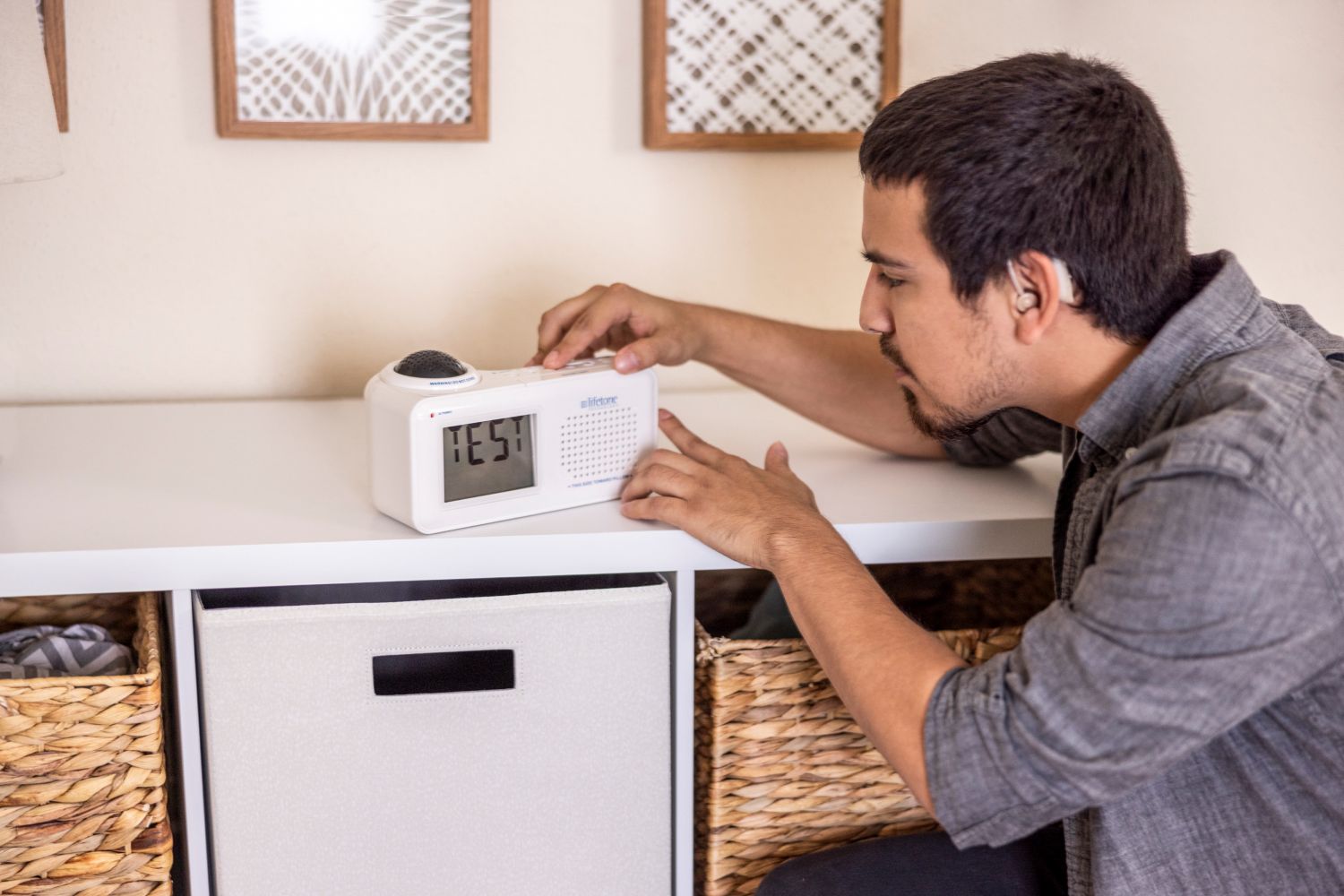
- Alerts: For people who are Deaf or hard of hearing, accessible carbon monoxide and fire alarms can display visual alerts. Visual or vibrating doorbell and smartphone-connected alert systems can also help people notice urgent signals.
- Lever door handles: Lever-style door handles are more accessible than traditional knobs as they can be easier for those with arthritis or various mobility impairments to open.
- Sound and sensory comfort: Sound-dampening materials, soft-close hardware, and designated quiet spaces can support people with sensory sensitivities or who rely on clear sound cues.
If you are thinking about accessibility in rentals or multifamily housing, it can also help to know that some buildings are subject to accessibility design requirements under federal law (separate from the Americans with Disabilities Act). HUD’s overview of the Fair Housing Guidelines is a helpful place to start.
Accessible Housing Options Families Often Consider
Accessible housing is not one “type” of home. Families typically consider a few different paths depending on budget, location, and the person’s preferences.
- A private home with modifications. This can work well when persons with disabilities want to stay near family, school, work, and health care providers. It can also be a practical option when accessible rentals are limited.
- An accessible apartment or condo. Some units are built with accessible features or can be modified with landlord permission as a reasonable accommodation.
- Supportive housing, assisted living, or group home settings. These options can offer built-in supports, which may be appropriate when daily assistance is needed.
How Needs Can Change
Needs can change over time. Families often see housing needs shift because of:
- A progressive disability or new diagnosis
- Recovery from surgery or injury
- Changes in mobility aids (e.g., from a cane to a walker to a wheelchair)
- Changes in stamina, balance, vision, or hearing
- A change in living situation (moving out, moving in with family, a caregiver is no longer available)
A practical way to plan is to look for housing that works today while leaving room for tomorrow. For instance:
- If there are entry stairs, is there space to add a ramp later?
- If the home has more than one story, is there a realistic plan to one-floor living (or to adding an elevator or chair lift for stairs)?
- Is there enough bathroom space for a bench, caregiver assistance, or turning radius if needed?
Accessible housing is about fit: a home that matches a person’s needs so daily life can be safer and more independent. If you’re deciding between moving and modifying, it can help to prioritize the features that most directly affect safety and then build from there.
Thinking ahead and anticipating potential challenges can make aging in place and remaining connected to the community more achievable.
Additional Reading
Created date:
05/13/2026
 Special Needs Answers